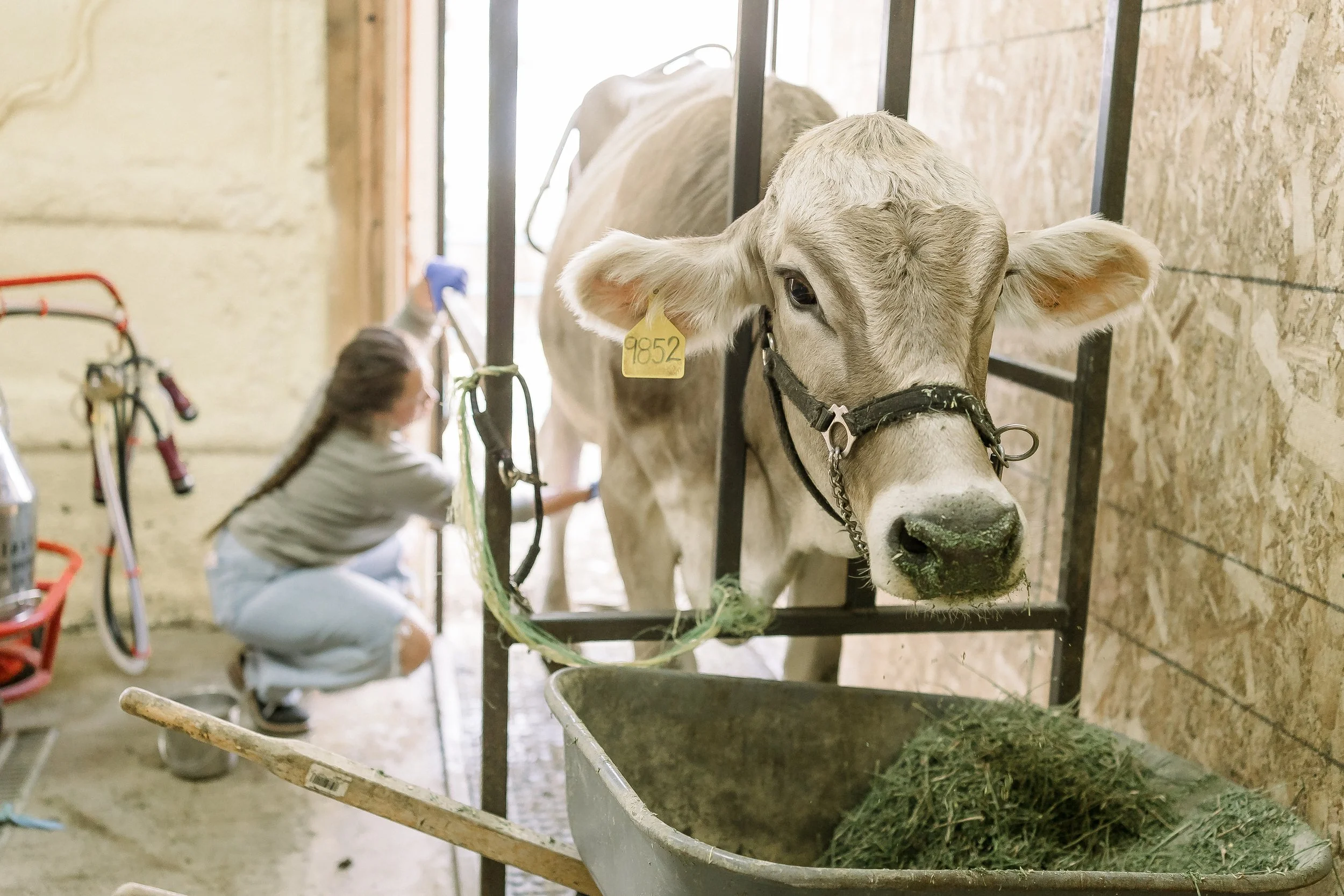
Why Transparency Matters to Us
At Under His Hand Farm & Stand, transparency isn’t a marketing tool — it’s a responsibility. We believe families deserve to understand where their food comes from, how it’s produced, and the choices behind it.
The food we offer through our herdshare program is the same food we provide for our own family first, and we are committed to open communication, thoughtful stewardship, and honest practices.
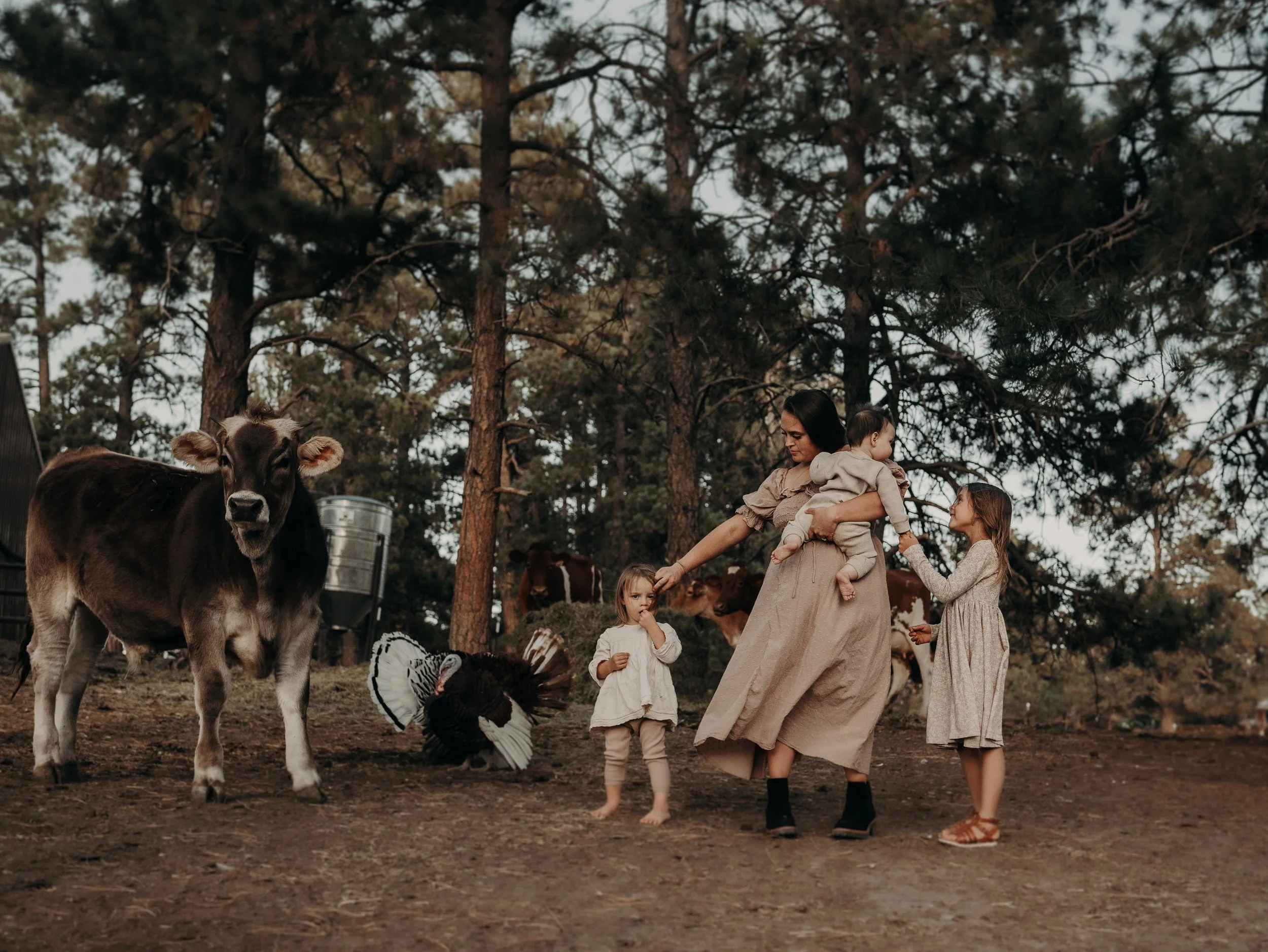
What a Herdshare is
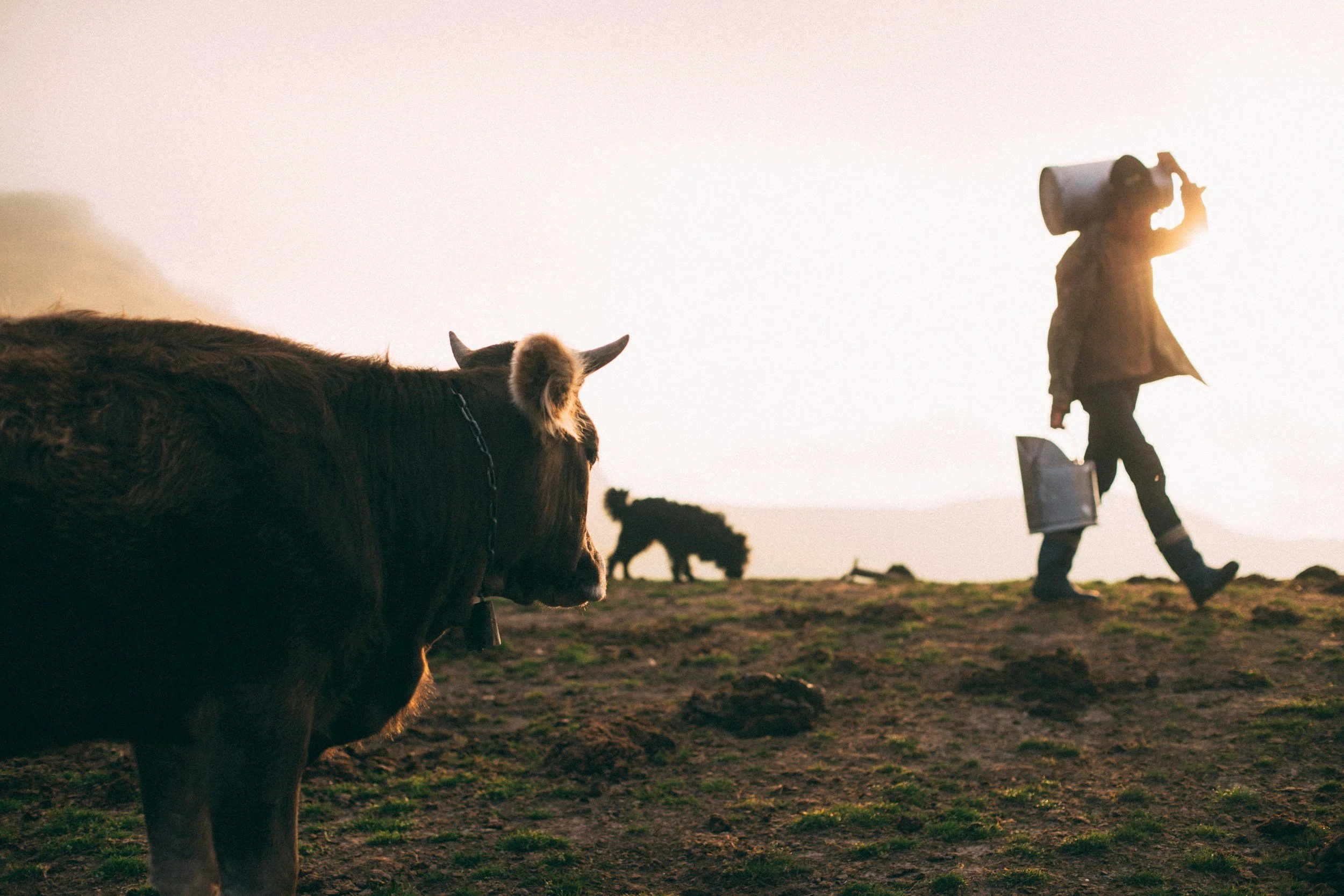
A herdshare is a private ownership arrangement between a farm and an individual or family. Instead of purchasing milk as a retail product, members purchase a share of the herd itself and help support the ongoing care of the animals.
As a herdshare member, you become a partial owner of the cows whose milk you receive. Because you are an owner, the milk you receive is considered your own food, produced on your behalf by the farm acting as the herd’s caretaker.
This model allows families to participate directly in their local food system and maintain a close connection to the source of their food.
Our Approach
The milk provided through our herdshare is the same milk we provide for our own family first. We do not offer anything to others that we are not comfortable serving at our own table.
Our commitment is to steward our animals with care, integrity, and humility — and to communicate openly with those who share in that responsibility.
How a Herdshare works:
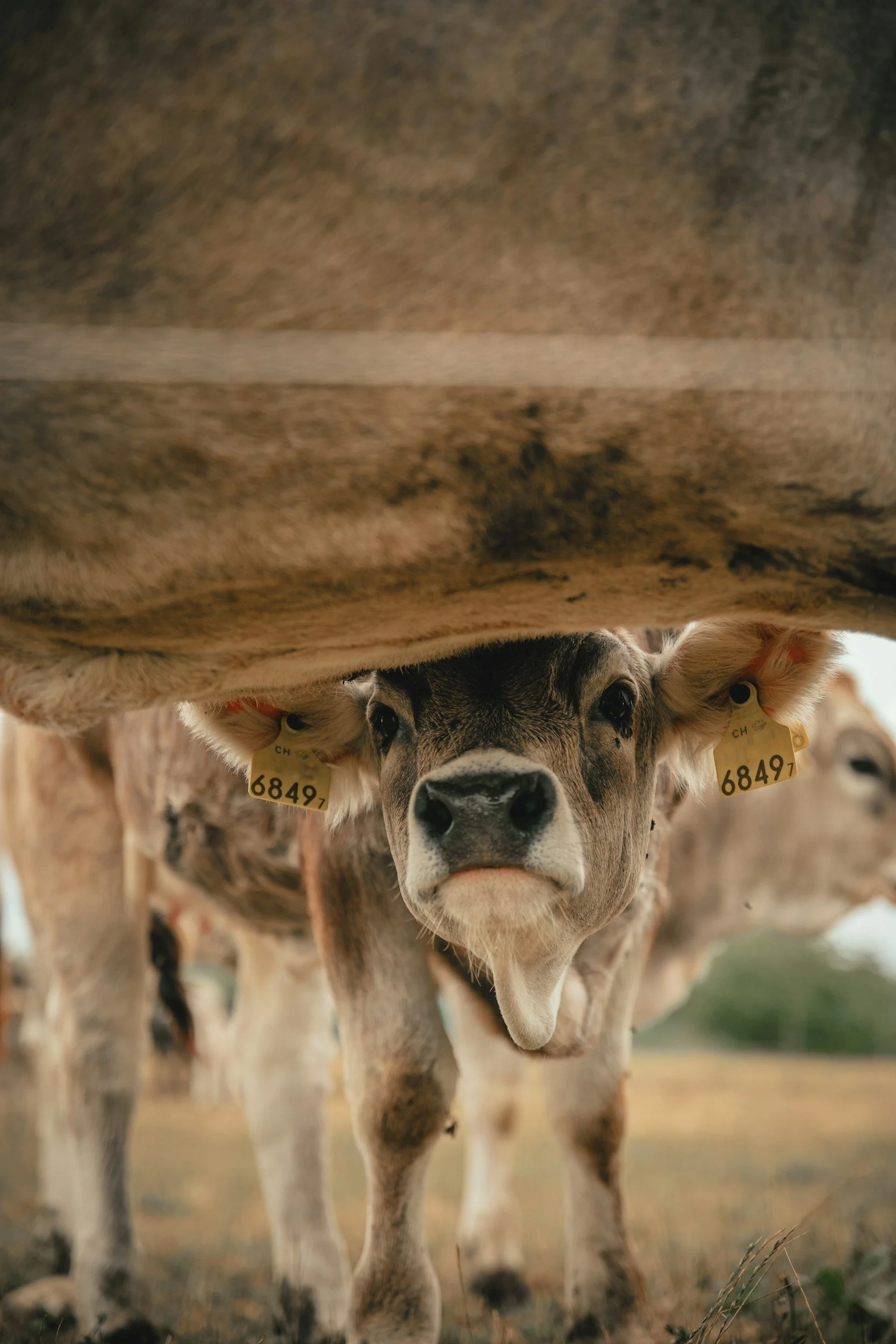
When you join our herdshare:
You purchase a share in the herd
You contribute to the ongoing costs of animal care (feed, housing, labor, equipment, and maintenance)
In return, you receive a portion of the milk produced by the herd you co-own
Milk availability may vary depending on season, animal health, and natural production cycles. Herdshare milk is not a guaranteed commercial quantity — it is a share of what the animals produce.
What Happens If I’m Out of Town or Can’t Pick Up?
Because a herdshare is an ownership and care agreement, member contributions continue even if you are unable to pick up milk due to travel, vacation, or personal scheduling.
The animals still require daily care — they continue to eat, be milked, and be stewarded whether members are present or not. Your monthly herdshare contribution supports that ongoing care, including feed, labor, and upkeep.
If you are unable to pick up your share:
Milk may be donated, used by the farm, or offered to another member at our discretion
Shares do not pause or carry over
Payments are not refunded for missed pickups
This structure ensures the herd is consistently and responsibly cared for and allows the farm to operate sustainably.
Milk and Animal Testing
Annual Animal Testing
Cows can carry certain diseases that may be transmitted to humans through milk. To ensure the health of our herd, we test our animals annually for key zoonotic diseases, including but not limited to:
Brucellosis
Tuberculosis
Leptospirosis
Q Fever
Johnes
These tests help us verify herd health and make informed management decisions.
Our new cattle get that checklist testing plus
Bovine Viral Diarrhea (BVD)
Bovine Leukosis Virus (BLV)
Neosporosis
Routine Milk Testing
In addition to animal testing, we believe it is equally important to test the milk itself. We send milk samples to a certified laboratory in Fort Collins, Colorado on a monthly basis to evaluate bacterial safety and quality. Monthly lab testing includes screening for:
Standard Plate Count (SPC) – overall bacterial load
Salmonella
Escherichia coli (E. coli O157)
Coliform bacteria
These tests provide objective data and help ensure milk quality remains within safe parameters.
Weekly Monitoring
Beyond lab testing, we monitor milk quality on an ongoing basis. We conduct weekly checks for:
Somatic Cell Count (SCC)
Mastitis indicators
This allows us to catch potential issues early, often before they are visible or detectable otherwise. If anything appears abnormal at any stage, milk is immediately withheld until the issue is resolved.
Animal Nutrition & Body Condition
Healthy milk begins with healthy cows.
Our dairy cows receive:
Certified organic grain without soy or byproducts during milking
High-quality alfalfa
Free-choice minerals, including sea kelp and Redmond salt, to support trace mineral balance and hydration
We maintain cows at appropriate body condition for their stage of lactation. Contrary to common belief, dairy cows should not be underweight — adequate nutrition is essential for animal health, milk quality, and longevity.
Udder Care & Natural Products
All udder washes, balms, and dips used on our cows are natural products sourced from Synergy Animal Products, a company known for clean, effective livestock care solutions. Supplements are also used when needed to support animal health.
Our Philosophy
Testing, nutrition, and animal care are not shortcuts — they require time, effort, and financial investment. While it is possible to reduce costs by cutting corners, we choose a higher standard.
We encourage families to:
Ask questions
Know their farmer
Make informed decisions about where their food comes from
Our goal is not to be the cheapest option — it is to steward our animals well and provide milk we are proud to serve our own family first.
What Happens If a Cow Needs Treatment?
We are holistically minded and prioritize natural, supportive care whenever possible. This includes attentive management, nutrition, minerals, herbal and topical support, and low-stress handling. Our goal is always to support the animal’s health in the least invasive way appropriate.
That said, our cows are not production units — they are living members of our farm and family. If a situation arises where western veterinary medicine is necessary to protect an animal’s health or well-being, we will not withhold appropriate treatment.
When a cow requires medical treatment:
Her milk is immediately removed from the milk tank
Milk is not distributed to herdshare members
Withholding periods are followed beyond minimum recommendations
Milk is only returned to the herdshare once the cow is fully healthy and cleared
Animal welfare always comes first, even when that means inconvenience or loss of milk production.